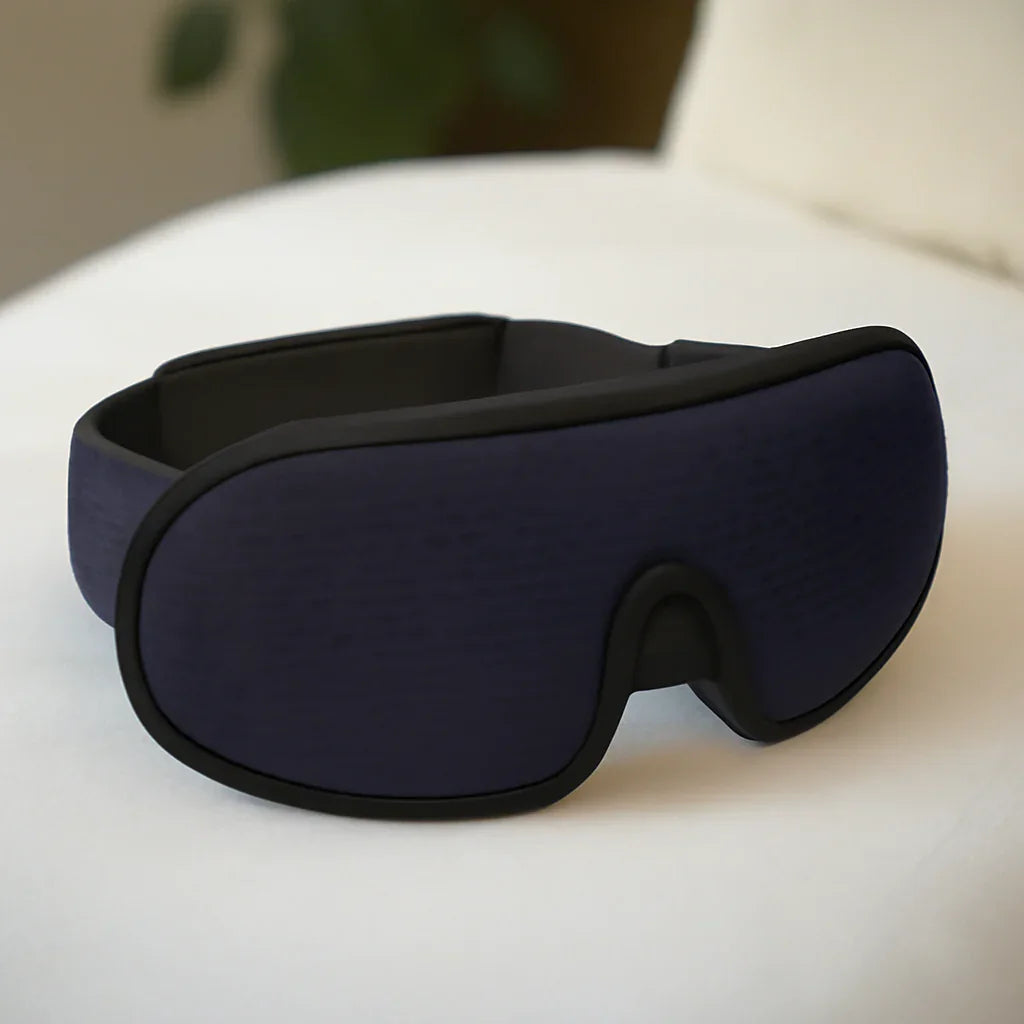
Sleep Oasis
Good when the room is the problem: The useful stuff here is simple: block light, reduce noise, support the neck, and make late screens less damaging.
See detailsMost bad sleep here is not mysterious. The room is hot, bright, noisy, smoky, stale, or your evening rhythm is pushing your body in the wrong direction. Fix that before chasing another gadget.
If your sleep is bad in Thailand, start with the room.
Check light leaks, street noise, heat, humidity, PM2.5, stale air, pillow fit, caffeine, late screens, and late meals. A lot of people skip those and go straight to supplements or wearables. That usually makes the problem more complicated than it needs to be.
These only make sense when they solve a real problem: light, noise, stale air, smoke-season exposure, neck position, or confusing sleep data.
Good when the room is the problem: The useful stuff here is simple: block light, reduce noise, support the neck, and make late screens less damaging.
See details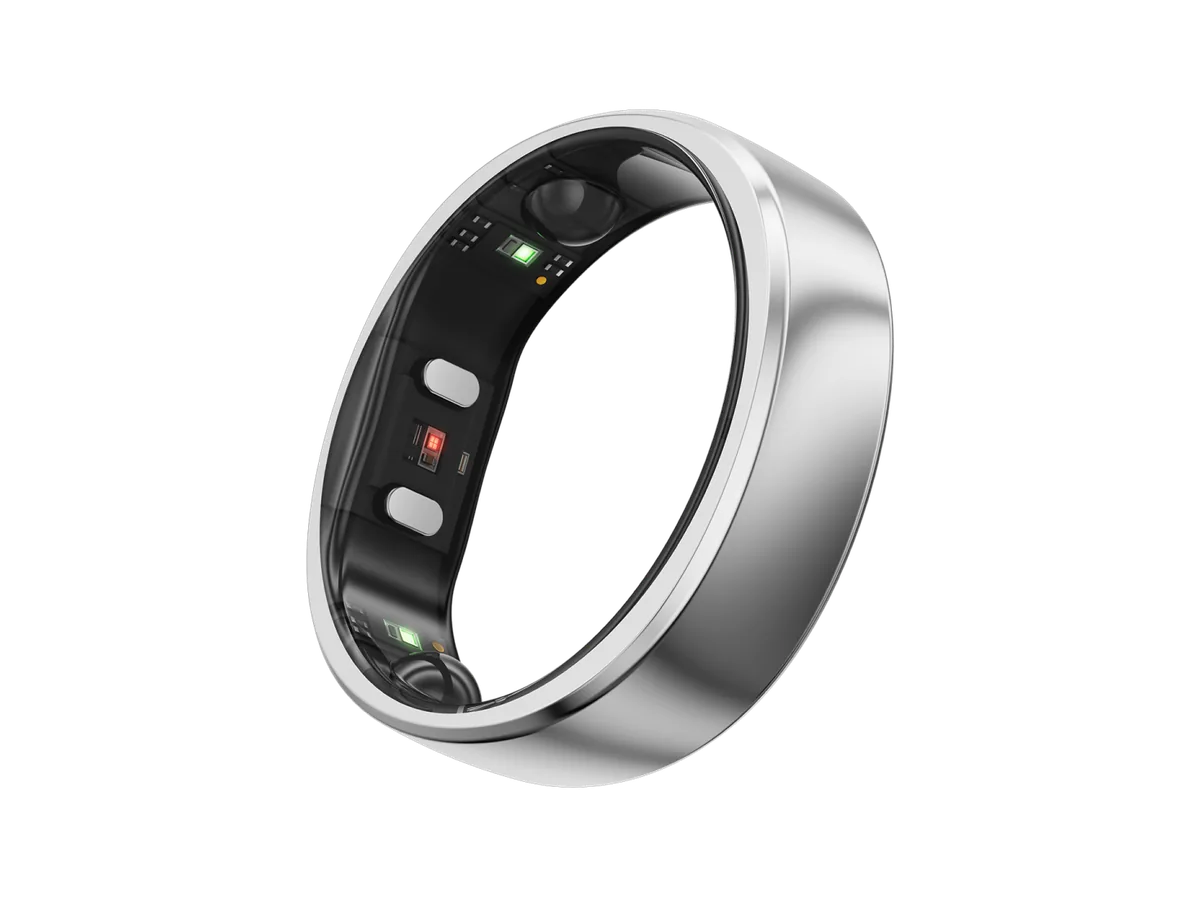
Data after the basics: A ring is useful once the obvious problems are handled. Otherwise it can just give you a more precise score for a bad setup.
See details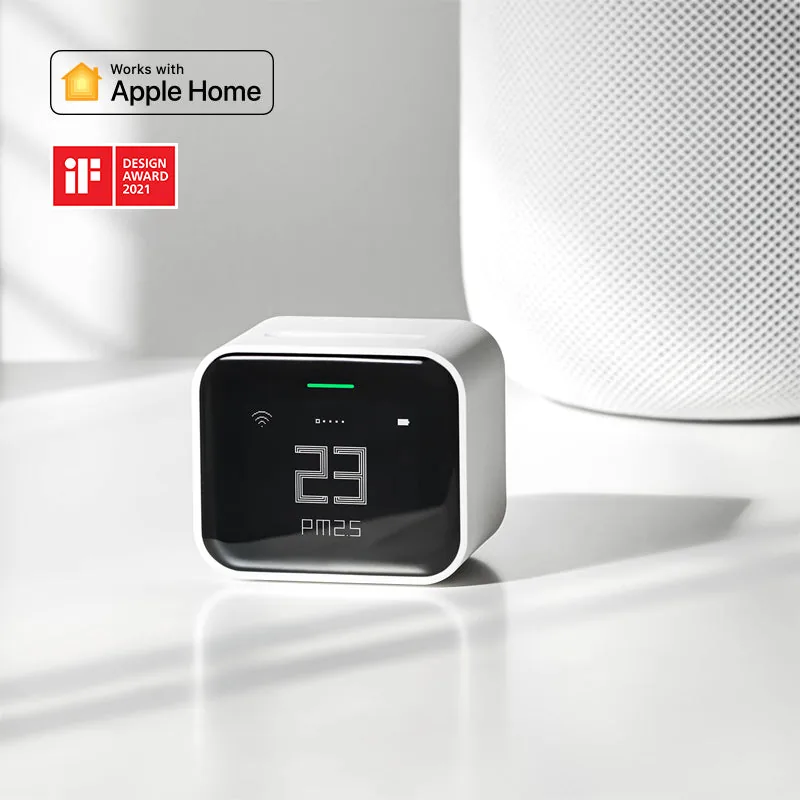
Check the air you sleep in: In Thailand, bedroom air can be the hidden issue: smoke season outside, stale air inside, humidity, or a room sealed too tightly overnight.
See detailsIf the basics are handled and sleep still does not make sense, the next step depends on the pattern. Sometimes you need data. Sometimes you need a better read on stress, breath, and recovery.
Most useful first step: Before you buy anything, check the basics: darkness, noise, temperature, air, pillow fit, and the last 90 minutes before bed.
See next stepNot the first move: Labs can help when sleep is part of a bigger pattern: low energy, poor recovery, hormones, inflammation, blood sugar, or metabolic issues.
See next stepPersonal read: A better fit when the room is decent, but your body still feels wired at night or you keep waking up like something is unfinished.
See next stepPick one. Test it long enough to learn something. Do not change six things at once and then pretend you know what worked.
Try it for a week if late meals, reflux, or 2-4am wakeups are part of your pattern.
Blue blockers help, but a bright TV or overhead light can still keep the room telling your brain it is daytime.
A busy-mind wakeup is different from a hot, hungry, wired, congested, or reflux wakeup. Treating all bad nights the same makes the signal harder to read.
Keep it easy. A few minutes of quiet nasal breathing or gentle humming before bed is a test, not a medical claim.
Smoke season makes people seal rooms. Sealed rooms can get stale. Measure when possible instead of guessing.
If a bad score ruins your morning, feel your body first and check the app later.
Use the tool first: The Thailand Sleep Environment Scorecard helps you choose the first fix instead of guessing.
Use the free scorecardHealthy Farang is reviewing sleep-adjacent routes such as overnight oxygen monitors, oral appliances, hospital sleep centers, dental sleep support, convenience-store sleep products, and Thai herbal sleep or sinus leads. These are not recommendations yet.
For now, they need better verification before I would point people at them. The public recommendation is simpler: fix the room, test the routine, then choose the next step from the actual bottleneck.
Treat retailer-listed sleep products as leads until the current label, registration, warnings, official stock path, and brand-owner details are clear.
Treat bedroom CO2 and PM2.5 monitors as measurement tools, not sleep diagnoses. Current stock, app/export limits, and practical fit matter before picking a specific monitor.
For snoring, airway, oxygen, CPAP, oral appliance, or sleep-study questions, use provider information as a starting point and confirm price, English support, scope, follow-up, and whether the route is appropriate with a qualified clinician.
If you have recent Thailand experience with a sleep clinic, dentist, oral appliance, CPAP support, oxygen monitor, or bedroom air monitor, send the practical details so Healthy Farang can verify the route.
The longer guide to the room, the air, the light, the noise, wearables, and where products actually help.
Read guideHow to use sleep data without letting the app decide how your day feels.
Read articleBedroom air is a sleep issue. Use the smoke-season framework when PM2.5 or sealed-room air is part of the problem.
Read guideCheck PM2.5, CO2, cooking particles, humidity, and stale sealed-room air before adding more sleep products.
Read checklist