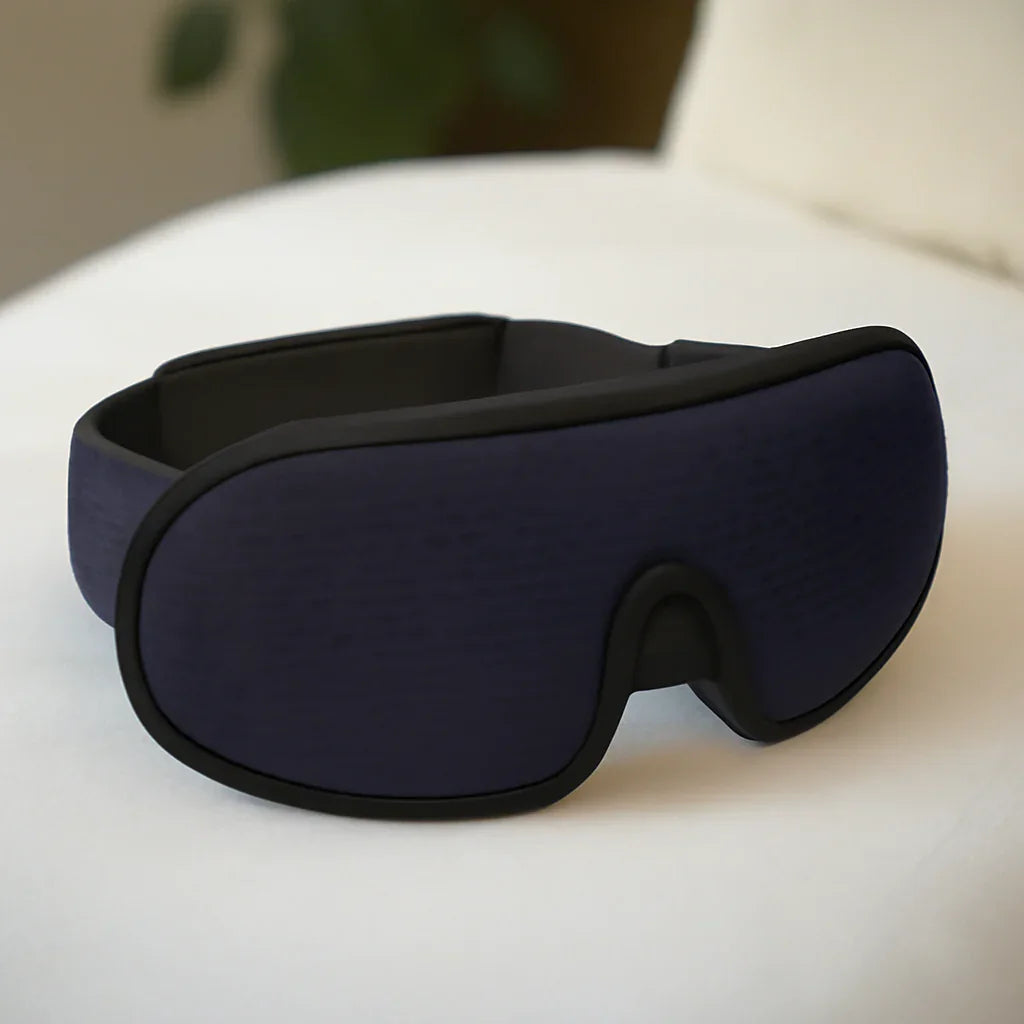
Sleep Oasis
Best low-tech first stop: Start here if the bottleneck is light leakage, travel rooms, noise, neck tension, or late screen use.
View routeStart with the room and routine, then use products or providers only when they solve a clear bottleneck.
For most people in Thailand, the useful sleep order is bedroom first, behavior second, products third, providers only when the pattern justifies deeper evaluation.
That means light leaks, noise, heat, humidity, PM2.5, CO2, pillow fit, caffeine, late screens, and late eating should be checked before chasing advanced supplements or gadgets.
These are public-safe routes already represented on Healthy Farang. They are useful when they match a specific sleep bottleneck.
Best low-tech first stop: Start here if the bottleneck is light leakage, travel rooms, noise, neck tension, or late screen use.
View route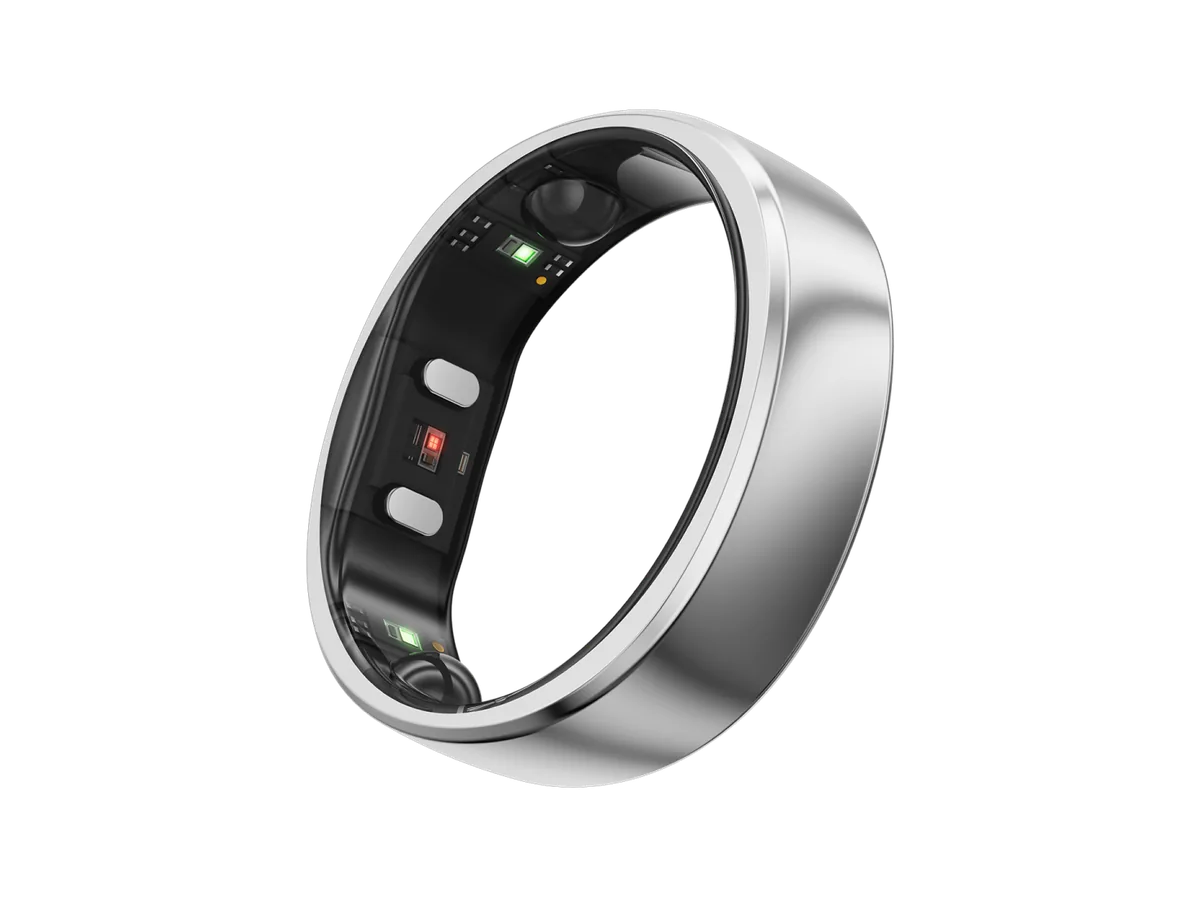
Tracking after basics: Use a ring when the room and routine are stable enough that data can guide changes instead of creating stress.
View route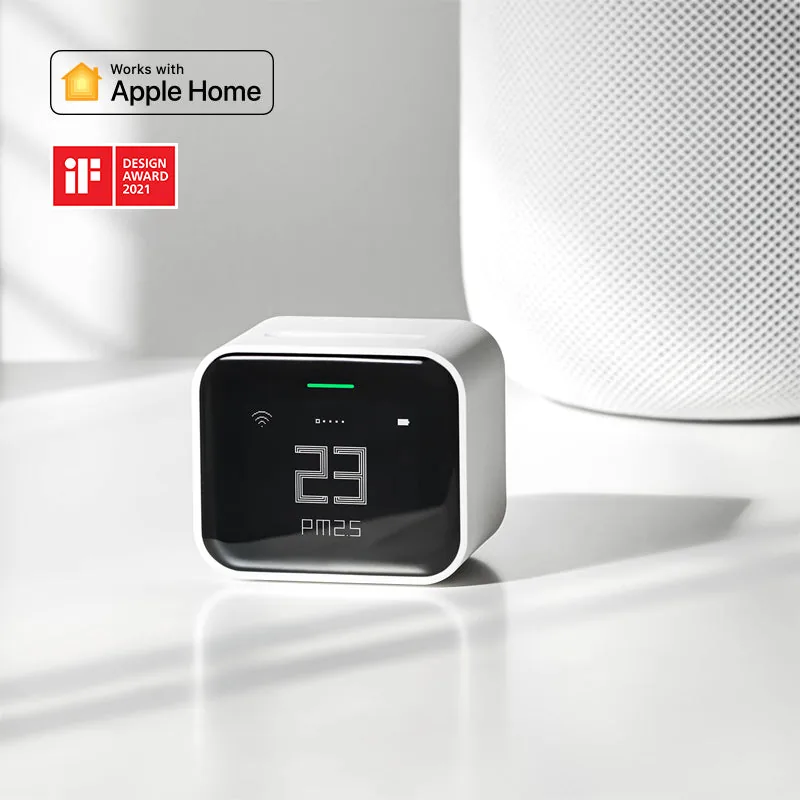
Bedroom air check: Useful when smoke season, sealed rooms, stale air, humidity, or ventilation may be affecting sleep.
View routeSleep "places" are not only clinics. The bedroom is the first place. Provider routes come later and need stronger verification before Healthy Farang recommends them.
Start here: Darkness, noise, temperature, air, pillow fit, and evening routine usually beat another supplement.
View next stepUse selectively: Useful when sleep overlaps with broader labs, recovery, energy, hormones, inflammation, or metabolic questions.
View next stepNot yet recommended: Oral appliances and airway evaluations may matter for some people, but Healthy Farang still needs verified Thailand provider routes before recommending one.
View next stepExperience route: A guided reset experience can support stress capacity and recovery, but it is not a substitute for medical sleep evaluation.
View next stepThese are practical experiments, not diagnoses or promises. Test one variable long enough to learn something.
Use it as a 7-night experiment, especially if late eating, reflux, or overnight wakeups are part of the pattern.
Blue blockers help, but screen intensity and overhead lighting still matter after dark.
Separate cognitive-loop wakeups from body-activation wakeups so every bad night is not treated as the same problem.
Keep it relaxed and short before bed; treat it as a low-downside airway/downshift experiment, not a treatment claim.
Smoke season can push people to seal rooms; sealed rooms can get stale. Measure when possible.
Wearables are useful, but morning app scores should not decide how you feel before you have checked your actual state.
Use the tool first: The Thailand Sleep Environment Scorecard helps you decide whether your first move is darkness, noise, temperature, air, comfort, evening rhythm, or tracking.
Use the free scorecardRecent client and event work surfaced overnight oxygen monitors, dental sleep/oral-appliance routes, tongue posture tools, tongue-retaining devices, convenience-store sleep gummies, and Thai herbal sleep/sinus leads. These are captured internally, but they are not Healthy Farang recommendations yet.
They need verification for availability, safety, evidence, provider guidance, label details, and Thailand-specific buying paths before stronger public language.
The full guide to darkness, noise, temperature, airflow, PM2.5, CO2, wearables, and product fit.
Read guideHow to use sleep data without letting the app distort your day before you check your body.
Read articleBedroom air is sleep exposure. Use the smoke-season framework when PM2.5 or sealed-room CO2 is part of the problem.
Read guide