FlexBeam red light for targeted recovery
A practical review for people who want targeted recovery support, not another expensive device sitting in a drawer.
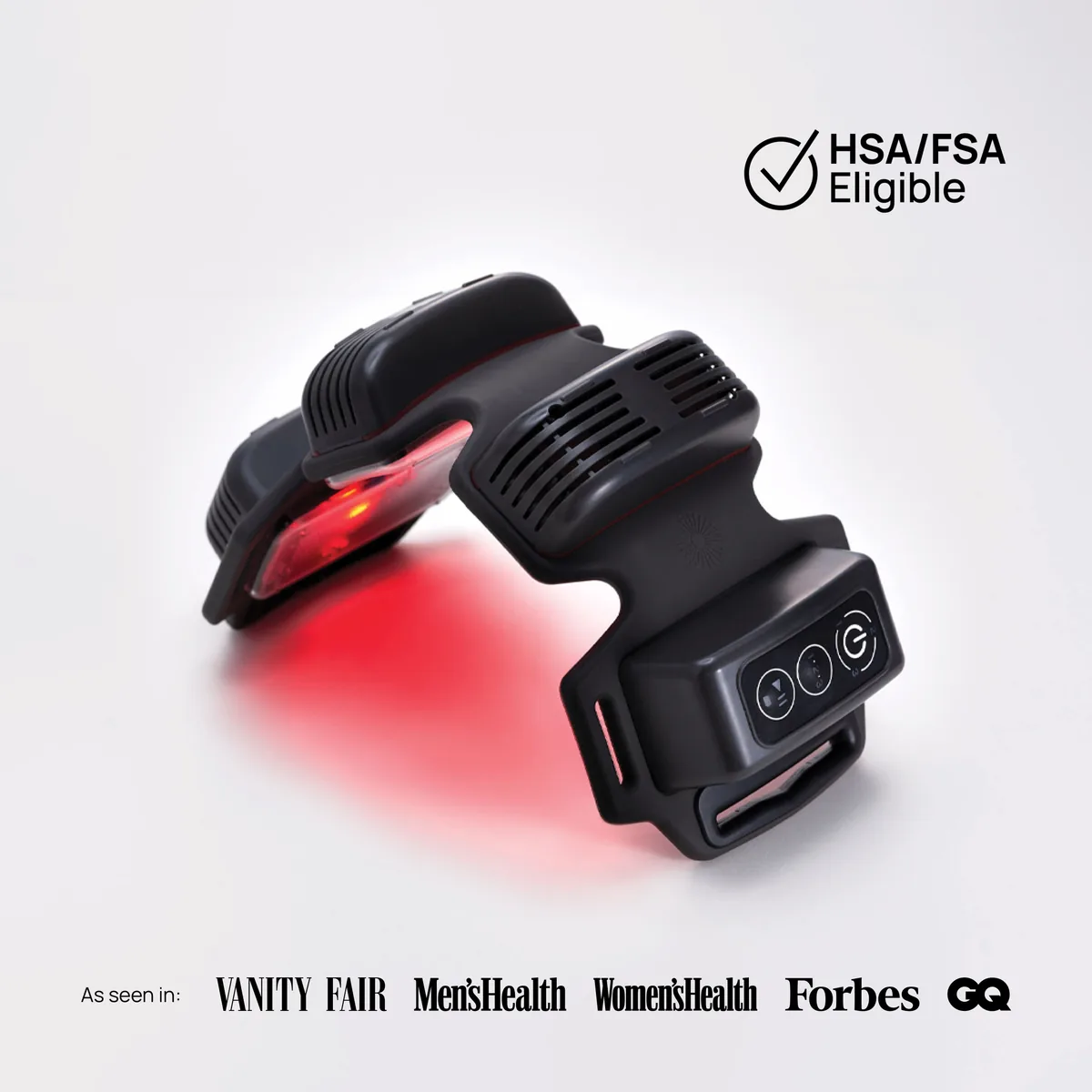
Current buying note: The June 7 FlexBeam Memorial Day sale window has passed. Recharge confirmed Jason's ambassador code as jasonryer, and Amanda confirmed that jasonryer remains Jason's normal ambassador code after June 7. Verify the current price and any available discount at checkout before buying.
My filter: buy it for a specific area you will treat consistently: knee, shoulder, back, neck, elbow, or another recurring recovery bottleneck. Skip it if you are only buying because there is a sale.
Check the current FlexBeam priceWhy I paid attention
I first saw FlexBeam at a biohacking meetup in Chiang Mai in 2019. I had already worked around plenty of recovery tech, so another red light device did not automatically impress me.
The reason FlexBeam stood out was the format. Instead of asking you to stand in front of a panel, it wraps around the area you want to target. That matters because the best recovery tool is usually the one you can use without turning it into a project.
Five years later, I am still using the same unit. That is the most important part of this review.
What makes it useful
Most red light therapy devices are flat panels. FlexBeam is wearable, so it can sit around a knee, shoulder, lower back, neck, or other area that needs regular attention. That changes the habit from "set up a session" to "put it where you need it and get it done."
- Portable enough to use at home or while traveling.
- Wraps around the area you want to support instead of relying on perfect panel positioning.
- Durable in my use: the same unit has stayed in rotation since 2019.
- Strong enough to be a serious targeted device, while still simple enough to use consistently.
What I use it for
Red light therapy, also called photobiomodulation, uses specific red and near-infrared wavelengths as a recovery-support input. I treat it as support, not medicine, and not a replacement for rehab, training changes, or medical evaluation.
FlexBeam's advantage is targeted use. If there is a specific area that keeps asking for attention, the wearable format makes the session easier to repeat.
Who should consider it
- You can name the body area you would use it on this week.
- You want targeted red/NIR light without standing in front of a panel.
- You already have the basics covered: sleep, load management, movement, and clinician input when needed.
- You value a recovery tool that is easy enough to repeat.
Who should skip it
- You are buying because of the discount, not because you know where it fits.
- You expect a device to fix a problem that needs rehab, medical care, or training changes.
- You already own recovery tools you rarely use.
- The price would pull attention away from more important health basics.
One thing to know
I do not stack red light and sauna in the same session. Sauna is heat stress. Red/NIR light is a different recovery input. I prefer red light first, then sauna later, or separate sessions. That keeps the routine cleaner and easier to judge.
Worth it?
FlexBeam is not cheap. I would not buy it as a general wellness impulse purchase. I would buy it if you already know the target area, want a wearable device instead of a panel, and will use it consistently.
Recharge confirmed Jason's ambassador code as jasonryer, including as the normal ambassador code after June 7. Treat any discount as something to verify at checkout, not a reason to invent a need.
Recharge Health offers a 60-day money-back guarantee. If you are in Chiang Mai and know me personally, I am happy to show you how I use mine.
Use the link below to buy directly from Recharge Health. Healthy Farang may earn a commission at no extra cost to you.
Check the current FlexBeam price